Police Intelligence Hubs
Access Real-Time Crime Intelligence from Your Business Community Partners
Police Intelligence Hubs enables your force to access comprehensive offender data, incident intelligence, and crime patterns shared by retail and community safety partners in real-time. As soon as businesses report incidents, your officers gain immediate access to offender profiles, vehicle intelligence, and collaborative investigation tools—creating seamless intelligence sharing without administrative burden.
What Police Forces Get
Access comprehensive intelligence from all your business community partners in one unified platform
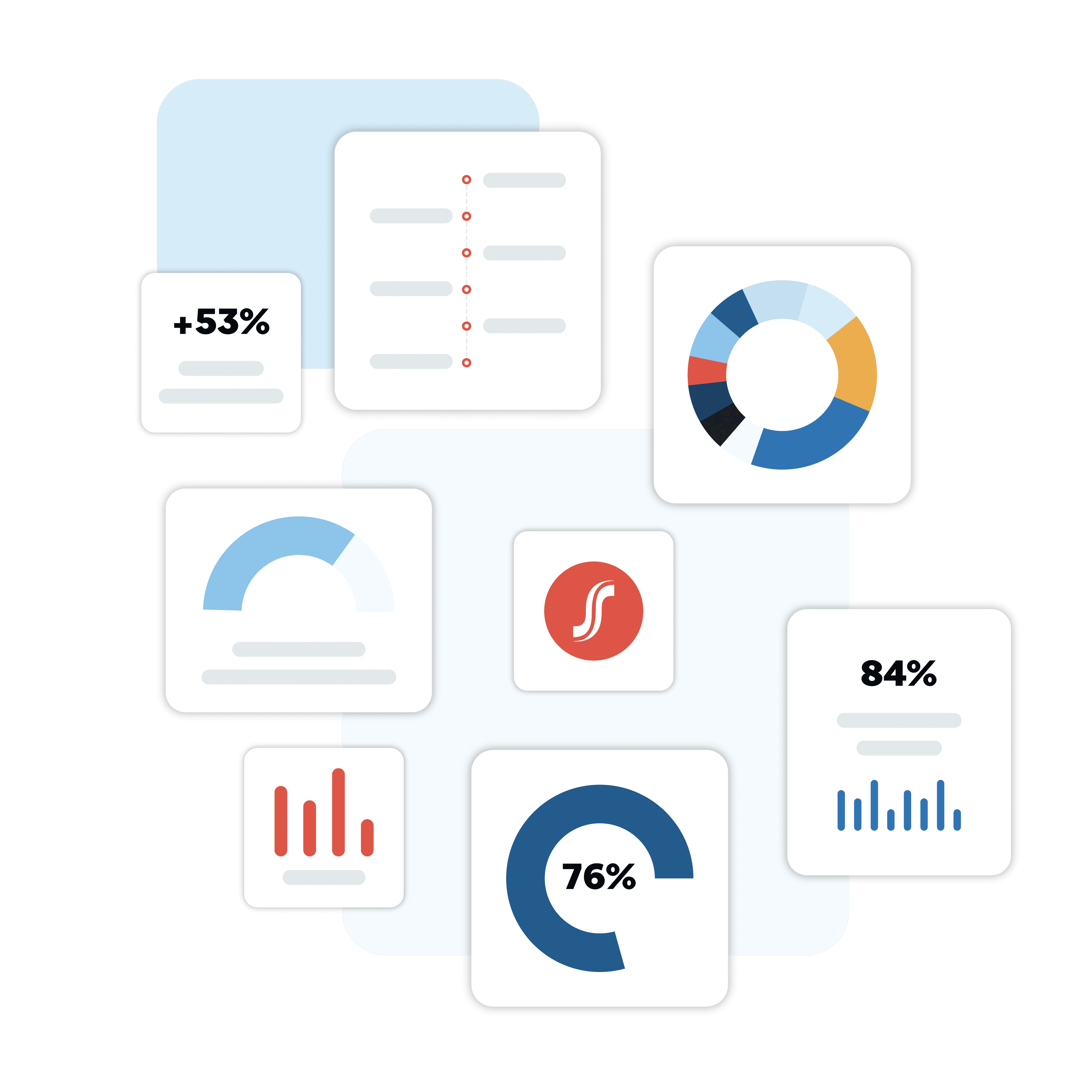
Unified Crime Intelligence Dashboard
Access a comprehensive view of all retail and community safety data shared by your business partners. View real-time incidents, active offenders, crime trends, and hotspot analytics from a single platform. Intelligence is instantly available as soon as incidents are reported by partners, ensuring your force has the most current operational picture.
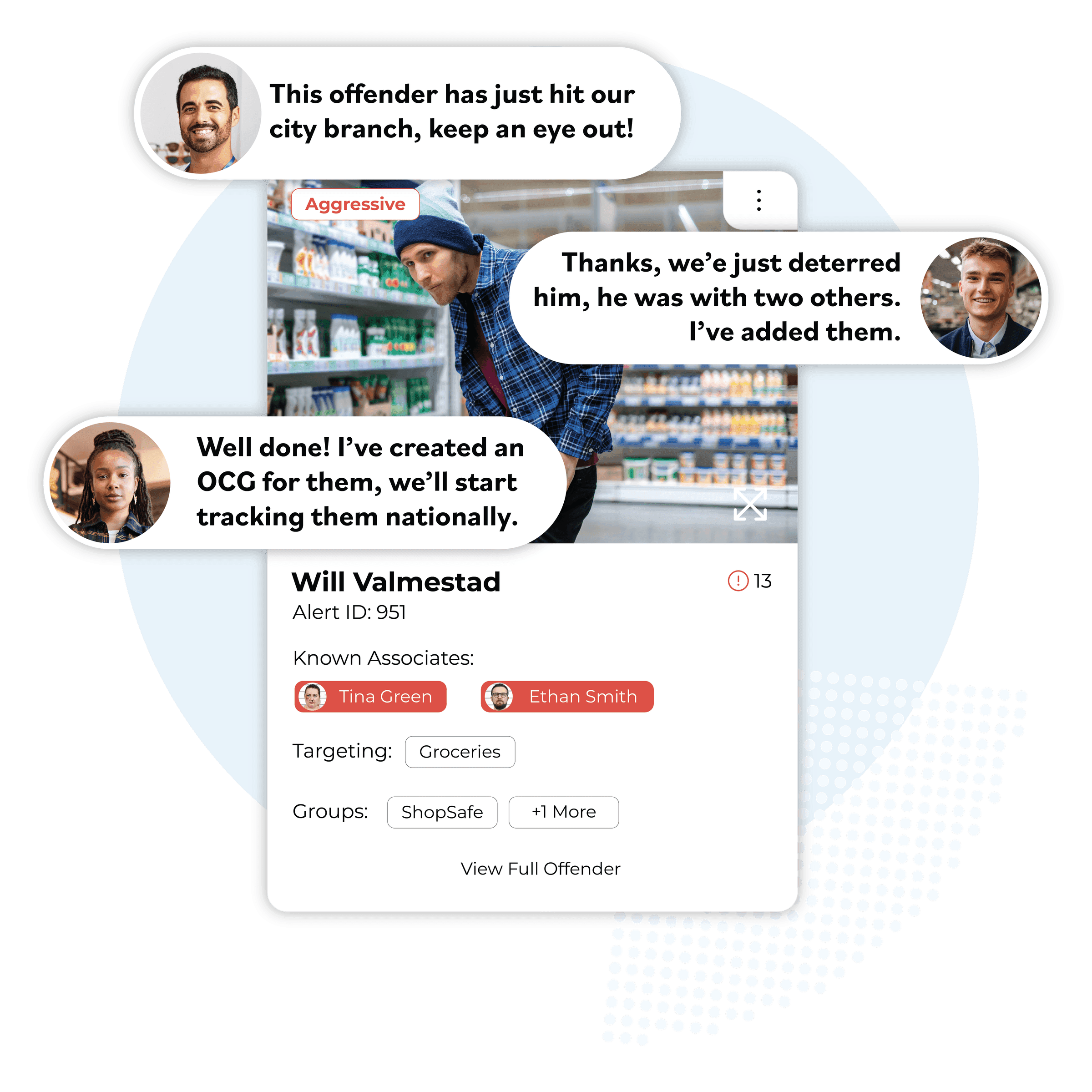
Comprehensive Offender Intelligence
View complete offender profiles combining data from all retail and community safety partners in your area. See an offender's full track record including patterns and MO, all linked incidents with crime reference numbers, known associates network, geographic incident patterns mapped visually, all available images, and individual partner profiles. This unified view gives your force a total intelligence picture impossible to achieve from individual reports.
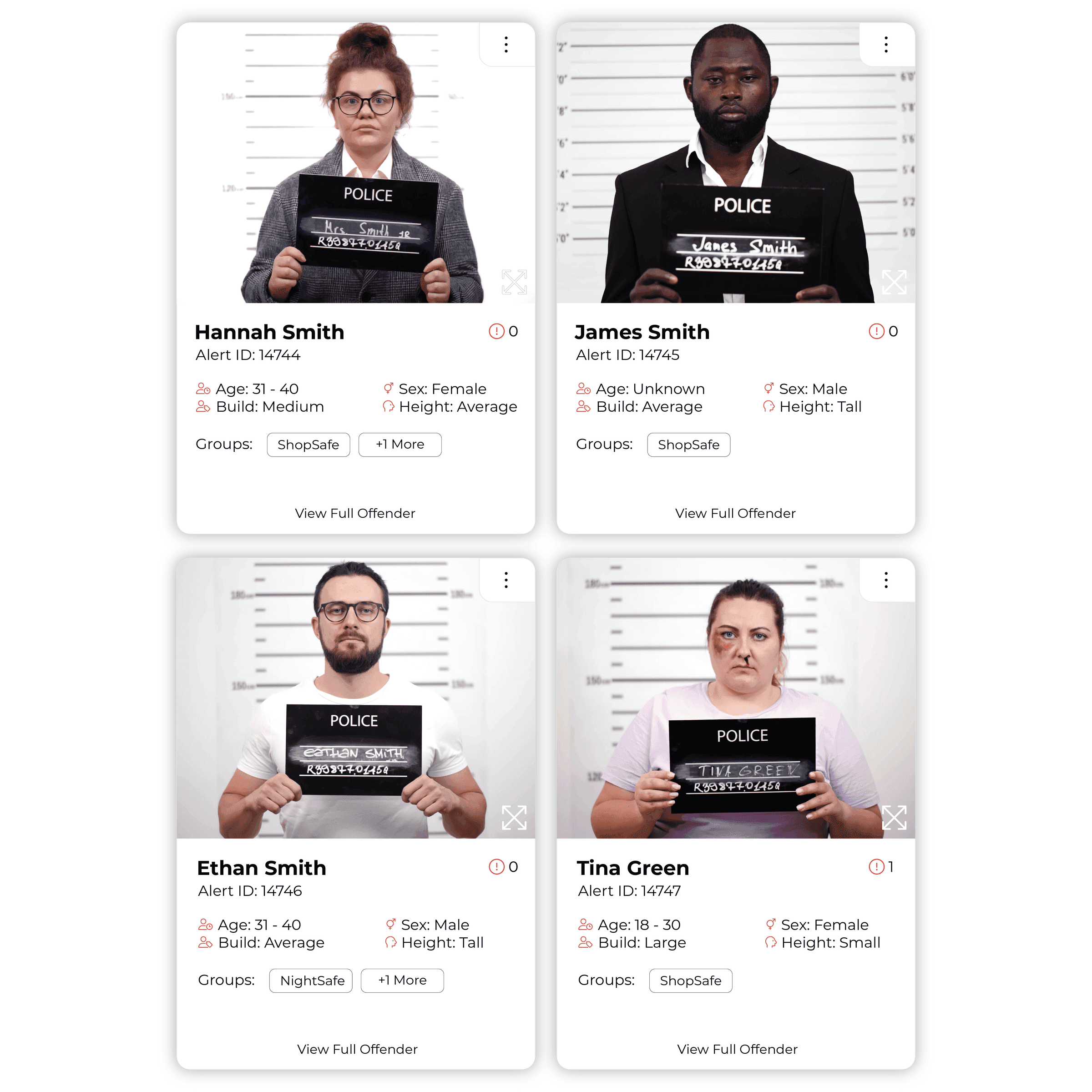
Full Incident Intelligence & Crime References
Access detailed incident-level data including timestamps, locations, involved parties, evidence, and crime reference numbers where they exist. Filter by date, location, offense type, or associated offenders. Export incident packages for investigations or court proceedings. Every incident links back to offender profiles for pattern analysis.
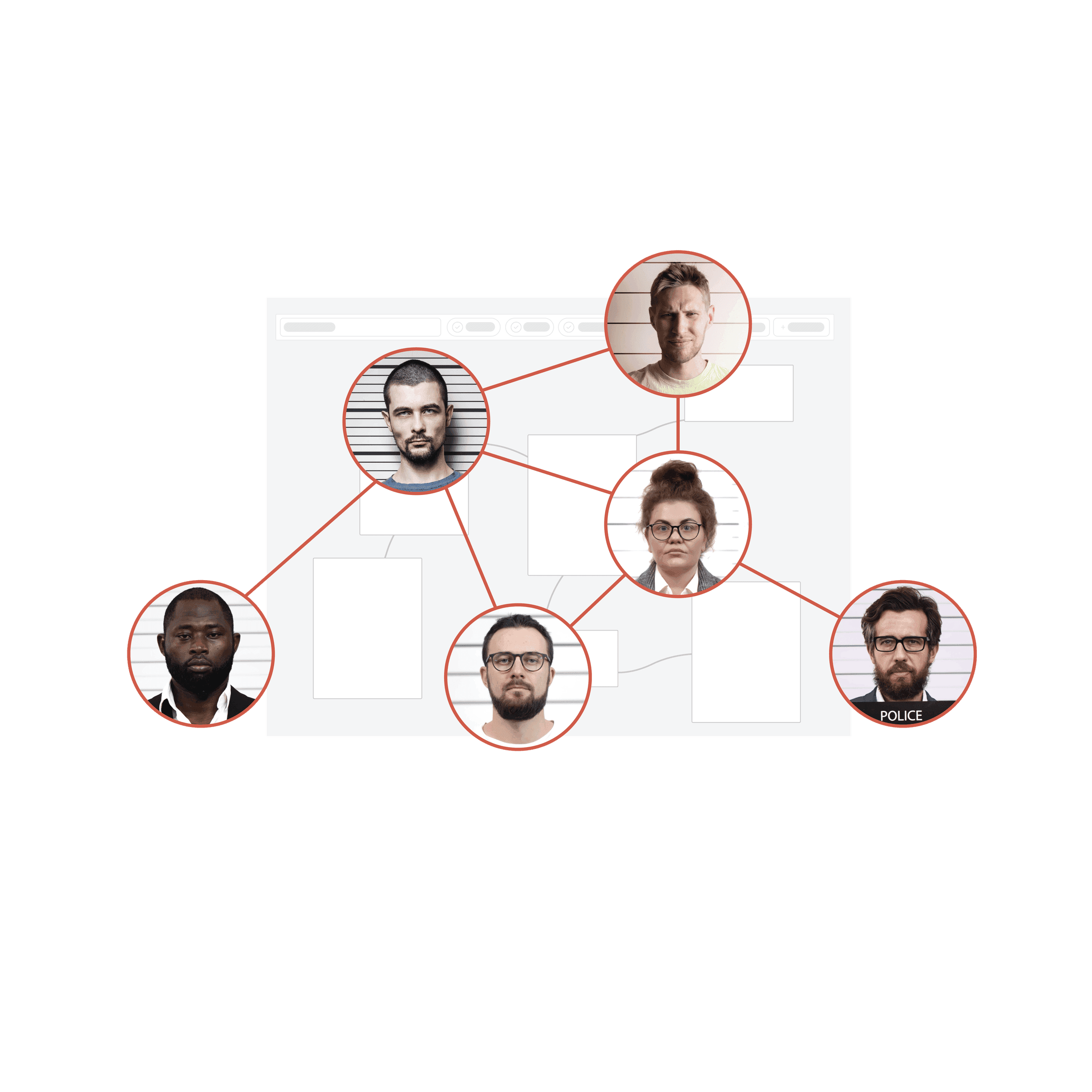
Vehicle Tracking & Cross-Force Visibility
View all vehicles used by offenders in your area, including registration details, associated offenders, incident history, and images. See which other police forces these vehicles and offenders have been shared with, enabling coordinated strategies across force boundaries. Identify mobile offender networks operating across multiple jurisdictions.

Hotspot Analysis & Predictive Intelligence
Visualize crime patterns with interactive heat maps identifying hotspots by time, day, offense type, or offender. Generate reports on trends, prolific offenders, emerging threats, and crime group activity. Use predictive intelligence to deploy resources proactively and prevent crime before it escalates.
Police Partnerships in Action
Hear from police forces already using Police Intel Hubs to transform intelligence gathering and strengthen business partnerships
Essex Police: Frontline Intelligence Access
Essex Police deployed Alert directly on officer devices, giving frontline teams immediate access to retail crime intelligence and reducing administrative overhead by 90%.
Key Outcomes:
- Direct intelligence access for frontline officers
- 90% reduction in admin overhead
- Enhanced business relationships
- Real-time response capability
Suffolk Police: Instant Intelligence Access
Suffolk Police eliminated 30+ monthly shop visits by partnering with 25+ Newmarket businesses who now share real-time intelligence through Alert, giving officers instant access to incidents and offender profiles.
Key Outcomes:
- Eliminated 30 monthly shop visits
- Real-time intelligence for 25+ business partners
- Equal access model for all businesses
- Freed up officers for proactive work
Nottinghamshire Police: Enforcement & Recovery Intelligence
Nottinghamshire Police partnered with It's In Nottingham BID to connect 200+ businesses directly to police operations, enabling Criminal Behavior Orders, recovery programs, and enforcement actions through real-time intelligence sharing.
Key Outcomes:
- Real-time offender intelligence from 200+ businesses
- Enables Criminal Behavior Order enforcement and breach monitoring
- Powers diversionary routes including Open to Recovery program
- Single-report system builds retailer trust and increases reporting
Explore the Intelligence Platform
See how Police Intel Hubs transforms retail crime intelligence sharing in our interactive online demo
Engage with Your Community Partners
Once enabled by your force leadership, unlock two-way collaboration features to strengthen police-business partnerships

Add Intelligence to Offender Profiles
Once enabled by your force, contribute police intelligence to offender profiles to build more comprehensive pictures. Share surveillance observations, custody images, intelligence from other forces, or investigation notes. This two-way sharing creates richer intelligence for both police and business partners.

Communicate with Partners on Incidents
After force approval, communicate directly with retail partners on specific incidents and offenders. Request additional evidence, provide investigation updates, or coordinate joint operations. This direct line eliminates email chains and phone tag, creating efficient police-business collaboration.

Share Bulletins & Crime Prevention Advice
Once approved, distribute good news bulletins about arrests, convictions, or successful operations to demonstrate police responsiveness. Share crime prevention advice, threat alerts, or operational guidance to help partners protect themselves. Build trust through visible, two-way engagement.
Built for Force Compliance
Comprehensive security, governance, and audit capabilities ensure full compliance with information sharing protocols

Read-Only Access by Default
All police users have read-only access to intelligence data by default. Officers can view offender profiles, incidents, vehicles, and analytics, but cannot modify or contribute data without explicit force approval. This ensures data integrity and compliance with information sharing protocols.

Force-Controlled Engagement Features
Communication, intelligence contribution, and bulletin features are disabled by default. Your force leadership controls when these engagement capabilities are enabled, ensuring proper governance, training, and approval processes are in place before two-way collaboration begins.

Complete Audit Trail
Every police action on the platform is tracked and logged. View, search, and export audit trails showing who accessed which data, when, and what actions they took. Full transparency and accountability for compliance, oversight, and information governance requirements.
Frequently Asked Questions
Everything you need to know about Police Intelligence Hubs
- What is Police Intel Hubs?
Police Intel Hubs is a feature within ShopSafe Alert that enables police forces to access real-time crime intelligence shared by retail and community safety partners. When a business reports an incident through ShopSafe Alert—capturing an offender, vehicle, or incident—that intelligence becomes immediately visible to your force through a secure dashboard. This creates seamless intelligence sharing without administrative burden, transforming how forces gather and act on retail crime intelligence. Forces including Essex, Suffolk, and Nottinghamshire Police are already using Police Intel Hubs to enhance operational effectiveness and strengthen business partnerships.
- How does Police Intel Hubs work in practice?
When a business reports an incident through ShopSafe Alert—capturing an offender, vehicle, or incident—that intelligence becomes immediately visible to your force through Police Intel Hubs. Officers access a dashboard showing all recent incidents, offender profiles with linked incidents across multiple businesses, vehicle intelligence with registration details and associations, and geographic hotspot maps. For example, if three different retailers report the same offender within a week, officers instantly see the pattern and can take proactive action. This real-time intelligence sharing happens automatically without any administrative burden on your force.
- What intelligence can officers access?
Officers gain access to comprehensive retail crime intelligence including: detailed incident reports with photos, videos, and structured data fields; offender profiles showing all linked incidents across participating businesses with physical descriptions and images; vehicle intelligence with registration numbers, makes, models, and associated incidents; geographic analysis showing crime hotspots and patterns; timeline views of prolific offender activity; and business partner details for direct liaison when needed. All intelligence is searchable, filterable, and exportable, enabling officers to build comprehensive intelligence pictures for operations, Criminal Behavior Orders, and partnership working.
- How is this different from traditional intelligence gathering?
Traditional intelligence gathering relies on officers conducting monthly shop visits, making phone calls to businesses, or waiting for businesses to call police with brief verbal reports. This is time-consuming, inconsistent, and often results in delayed or incomplete intelligence. Police Intel Hubs transforms this by enabling businesses to submit structured, detailed reports with photos and videos directly to your force in real-time. Officers access a central dashboard instead of visiting dozens of shops. Intelligence quality improves dramatically because businesses provide comprehensive details when incidents are fresh. Pattern analysis happens automatically rather than requiring manual correlation. Forces using Police Intel Hubs report 90% reductions in administrative overhead while significantly improving intelligence quality and timeliness.
- How do officers access the platform?
Officers access Police Intel Hubs through a secure web portal using their police credentials and multi-factor authentication. Once authenticated, they can view offender profiles, incident data, vehicle intelligence, and analytics dashboards. The platform is accessible from any device with an internet connection—desktop computers at stations, work-issued tablets, or mobile devices in the field. This flexibility enables both desk-based intelligence analysis and real-time access while on patrol. No software installation is required; officers simply navigate to the secure portal through their standard web browser.
- What devices can officers use?
Police Intel Hubs works on any device with a modern web browser—desktop computers, work-issued tablets (iOS or Android), mobile phones, and laptops. The platform is responsive and adapts to different screen sizes, so officers get an optimized experience whether they're analyzing intelligence at a desk or viewing offender profiles on a mobile device during patrol. This device flexibility means forces can deploy Police Intel Hubs without purchasing new hardware; officers use their existing work devices. The platform works across Windows, macOS, iOS, and Android operating systems.
- Does this work across multiple force areas?
Yes. Police Intel Hubs supports cross-force visibility when appropriate information sharing agreements are in place. For example, if Suffolk and Norfolk Police both have agreements with businesses in their areas, and an offender operates across the force boundary, both forces can see relevant intelligence. This is particularly valuable for forces sharing borders or managing shared town centres. The platform respects data sharing governance—forces only see intelligence where formal agreements exist. This cross-force capability helps tackle prolific offenders who exploit force boundaries and supports regional intelligence sharing initiatives.
- How is sensitive data protected?
Police Intel Hubs is built with enterprise-grade security meeting UK policing standards. Data is encrypted in transit (TLS 1.3) and at rest (AES-256). Role-based access controls ensure only authorized officers with specific permissions can view intelligence. Multi-factor authentication verifies officer identity at login. All user actions are logged in comprehensive audit trails showing who accessed what data and when. The platform undergoes regular security assessments and penetration testing. Infrastructure is UK-hosted with SOC 2 Type II certification. All data sharing is governed by formal information sharing agreements between forces and business partners, ensuring GDPR compliance and lawful processing under Data Protection Act 2018.
- What permissions and approvals are required?
Initial deployment requires establishing information sharing agreements between the police force and business partners, typically coordinated by your force's data protection officers and legal teams. These agreements define what intelligence can be shared, how it will be used, retention policies, and governance arrangements. All officers receive read-only access by default, enabling them to view intelligence for operational purposes. Communication and engagement features (posting bulletins, contributing intelligence, direct business communication) require explicit force leadership approval before activation, ensuring proper governance, training, and protocols are established. This staged approach allows forces to deploy intelligence access quickly while maintaining governance over two-way engagement.
- What audit and oversight capabilities exist?
Every action on the platform is logged in comprehensive audit trails including: which officers accessed which data and when, what searches were performed, which offender profiles were viewed, any intelligence contributions or communications made, and all system events and configuration changes. Audit logs are searchable, filterable by officer, date range, or activity type, and exportable for oversight reviews. Force administrators can generate reports showing platform usage patterns, most-viewed intelligence, and officer engagement levels. These audit capabilities support information governance requirements, compliance reviews, and professional standards investigations. Supervisors can review their teams' platform usage, and force information governance teams have full audit visibility for oversight purposes.
- How do we get started with Police Intel Hubs?
Implementation follows a proven process that typically takes 4-8 weeks: First, establish information sharing agreements between your force and business partners (coordinated through your data protection officers and legal teams). Second, configure access and permissions through the admin panel, determining which officer groups have read-only access versus engagement capabilities. Third, deliver basic training to officers (30-60 minutes) covering navigation, searching, and data protection obligations. Finally, activate the platform for your chosen deployment area—whether that's a single town, BCU, or force-wide. ShopSafe provides full implementation support including legal agreement templates, training materials, live training sessions, and ongoing technical assistance. Many forces start with a pilot area before expanding deployment force-wide.
- What training is required for officers?
Basic platform training covers navigation, searching for offenders and incidents, interpreting intelligence data, understanding data protection obligations, and using audit tools appropriately. This core training typically takes 30-60 minutes and can be delivered in person, via video session, or through e-learning modules. Officers already familiar with mobile apps and police systems typically become proficient after their first few uses. If engagement features are enabled, additional training covers communication protocols, intelligence contribution standards, bulletin best practices, and appropriate business engagement. ShopSafe provides comprehensive training materials including video tutorials, quick reference guides, and documentation accessible within the platform. Training can be customized to your force's specific deployment model and governance requirements.
- What ongoing support is provided?
ShopSafe provides comprehensive ongoing support including: technical support via email and phone for any platform issues; regular product updates and feature enhancements at no additional cost; training refreshers and materials for new officers joining the platform; dedicated customer success contact for strategic guidance; documentation and help resources accessible within the platform; regular usage reports showing platform adoption and intelligence trends; and assistance with expanding deployment or activating new features. Support is included in your Police Intel Hubs subscription. We work in partnership with forces to ensure the platform delivers maximum operational value and continuously improves based on force feedback and evolving policing needs.
- How do we enable two-way communication features?
Communication and engagement features are controlled by your force leadership through an admin panel. Once your force has completed necessary training, established communication protocols, and gained approval from leadership, these features can be activated for specific user groups (such as retail crime teams or BCU commanders) or force-wide. Two-way communication capabilities include: posting crime prevention bulletins visible to business partners, sharing offender alerts with photos and descriptions, responding to business reports with updates or information requests, and coordinating with BID/BCRP managers on joint initiatives. This ensures all two-way collaboration is properly governed, officers are prepared to engage effectively, and business communication maintains professional standards.
- What results have other forces achieved?
Forces using Police Intel Hubs report significant operational improvements: Essex Police eliminated the need for 30+ monthly shop visits by deploying intelligence access directly to officer devices, reducing administrative overhead by 90% while improving intelligence quality. Suffolk Police gained real-time intelligence from 25+ Newmarket businesses, enabling immediate response to prolific offenders and supporting the Newmarket Partnership pilot which demonstrated measurable crime reduction. Nottinghamshire Police uses the intelligence to support Criminal Behavior Orders and recovery programs, connecting 200+ businesses directly to police operations. Officers consistently report better situational awareness, faster prolific offender identification, stronger business partnerships, and improved ability to demonstrate police responsiveness to the business community.
- Can this integrate with existing police systems?
Police Intel Hubs is designed as a standalone intelligence platform accessible through standard web browsers, requiring no integration with internal police systems. This approach simplifies deployment, accelerates implementation timelines, and maintains security boundaries between external business intelligence and internal force systems. Officers continue to use your force's crime recording systems (Niche, Athena, etc.), command and control platforms, and intelligence databases as required. Where appropriate, intelligence from Police Intel Hubs can be manually transferred to force systems for formal crime recording, intelligence logging, or investigative case management. Crime reference numbers from your force's systems can be added to incidents in Police Intel Hubs, enabling cross-referencing when needed. This independence reduces technical complexity while still delivering significant operational value.
See Police Intel Hubs in Action
Book a demo to see how Police Intel Hubs can enhance your force's intelligence capabilities